
Is incorporating a business right for you?
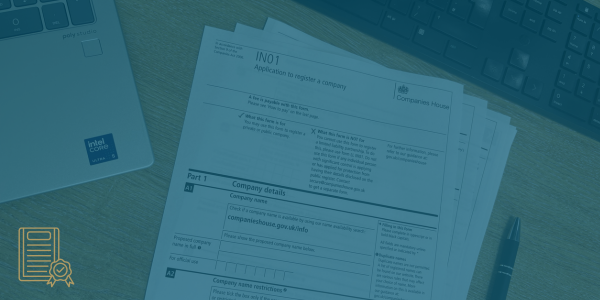
With more than 5 million limited companies registered in the UK and over 800,000 new companies being incorporated each year, there must be a reason that these businesses are incorporating as limited companies. In this blog, we go into detail about the pros and cons of incorporating a business to a limited company.
Benefits of incorporating
Limited liability
Arguably, the main advantage of incorporating is that a limited company is a separate legal entity and shareholders are usually only liable for debts up to the amount they have invested. This can offer protection for personal assets if the business encounters financial problems compared to unincorporated businesses.
However, this is not an absolute guarantee. Directors can still have a personal liability if duties have been breached or personal guarantees have been provided.
Business image
Many larger customers and suppliers may wish to work with incorporated companies. Having ‘Limited’ or ‘Ltd’ after your business name can reassure customers that there is a formal structure behind the business.
Potential tax advantages
Incorporated businesses are subject to Corporation Tax on taxable profits rather than being taxed as an individual. Depending on the business’s profits and personal circumstances, this can sometimes be the most tax-efficient choice. This should not be assumed as the rules are complex and constantly changing.
The team at Perrys can assist with structuring your business and the most tax efficient choice.
Continuity
As a limited company is a separate entity from the directors and shareholders, the company can continue even if ownership changes or directors leave. This can be important when it comes to selling the business.
Disadvantages of incorporating
Increased compliance and admin
A company has more reporting obligations than a sole trader. This includes filing annual accounts and confirmation statements to maintaining statutory records and ensuring that the company complies with all legal and tax requirements.
Directors are responsible for ensuring that this takes place but much of this work can be assisted by accountants. This additional compliance can also make running a limited company more expensive than an unincorporated business.
Director duties
Directors are required to act in the best interests of the company and ensure that the company meets all relevant accounting and legal requirements. Failure to do so could have financial consequences and even personal financial or criminal implications.
Therefore, it is important that, if considering becoming a director, the role is fully understood.
Public information
All Limited company accounts are filed at Companies House, and this includes financial information for the business alongside the company directors’ names, registered office and people of significant control.
There is a lot to consider when deciding if you should incorporate a business, and the team at Perrys would be happy to assist with this. Please contact your local Perrys branch for a free, no-obligation initial consultation.

Author bio
Thomas Perkins
Thomas joined Perrys in July 2017 as a trainee accountant. In his spare time, Thomas enjoys clay pigeon shooting, watching rugby and socialising with friends.